The HTRS Seed Grants for Basic Science and Translational Science Research Program provides one-time grants of $7,500 USD to support basic science or translational science research projects in hemostasis and thrombosis conducted by early-stage investigators (PhDs or MD/PhDs) working at academic research institutions. Applicants must be active HTRS members at the time of application. Two grants will be available in 2026.
Total Award
Seed Grants are one-time grants of $7,500 USD to support basic science or translational science research projects in hemostasis or thrombosis conducted by early-stage investigators (PhDs or MD/PhDs) working at academic research institutions.
Requirements
Applicants must be committed to academic research careers in classical hematology at North American medical institutions.
Status & Deadlines
The application window is now closed.
Not a Member?
Visit the HTRS Membership Page to join.
2026 HTRS Seed Grant Award Recipients
HTRS is pleased to recognize Szuman Liu, PhD and Yaqiu Sang, PhD as recipients of the 2026 HTRS Seed Grant Awards. Their innovative research will advance our understanding of hemostasis, thrombosis, and thromboinflammation while helping lay the groundwork for future discoveries in the field.

Szuman Liu, PhD
University of Kansas Medical Center Research Institute
Project Title:
Cell-Specific ADAMTS13 Knockouts to Define Systemic vs Endothelial Control of VWF and Microvascular Thrombosis
Dr. Szuman Liu is a Research Assistant Professor in the Department of Pathology and Laboratory Medicine at the University of Kansas Medical Center. As an emerging independent investigator in hematology, Dr. Liu specializes in molecular and vascular biology, with a dedicated research focus on the regulation of the ADAMTS13 enzyme and its role in hemostasis, thrombosis, and thrombo-inflammatory disorders.
Dr. Liu successfully generated the field's first verified cell-type-specific Adamts13 conditional knockout mouse models and established cutting-edge biochemical and imaging assay protocols within the laboratory to investigate compartmentalized hemostasis. Dr. Liu's pioneering research on the spatial regulation of ADAMTS13 significantly advances basic von Willebrand factor (VWF) biology and challenges long-standing clinical diagnostic paradigms.
The primary goal of Dr. Liu's HTRS Seed Grant Award-funded research is to break the prevailing "single-pool" dogma by validating the novel concept of compartmentalized hemostasis in vivo. Utilizing homozygous conditional knockout models, the funded project aims to definitively demonstrate that hepatic stellate cells function as the obligate "Systemic Brake" for circulating ADAMTS13, while endothelial cells provide a localized, non-redundant "Endothelial Shield" essential for maintaining microvascular patency.
By generating high-impact spatial mapping and biochemical datasets, this work will provide the vital mechanistic foundation for endothelium-targeted therapies in thrombo-inflammatory diseases, while serving as a crucial stepping stone toward achieving full scientific independence and securing future NIH R01 funding.
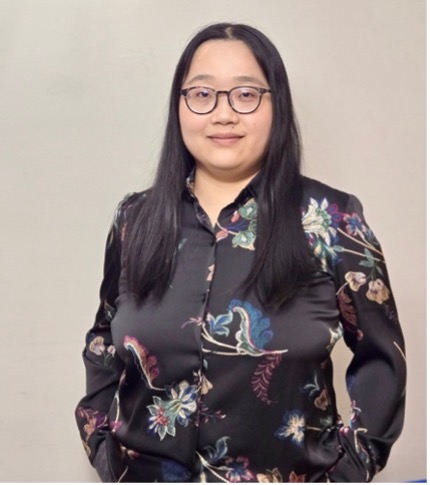
Yaqiu Sang, PhD
The University of North Carolina at Chapel Hill
Project Title:
Platelet Factor XIII as a Regulator of Platelet Metabolic Function and Thromboinflammation
Dr. Yaqiu Sang is a Research Associate in Dr. Alisa Wolberg's laboratory in the Department of Pathology and Laboratory Medicine and the Blood Research Center at The University of North Carolina at Chapel Hill.
Dr. Sang's research focuses on the mechanisms underlying the pathophysiology of hemostasis and thrombosis, with particular emphasis on the role of factor XIII in hemostasis, thrombosis, and inflammatory diseases, as well as the contribution of the plasminogen activation pathway to venous thrombosis.
Through her HTRS Seed Grant Award-funded research, Dr. Sang will define the role of platelet FXIII in regulating platelet metabolic function and its contribution to platelet-driven thromboinflammatory responses. Her work will advance our understanding of how platelet-mediated mechanisms link coagulation, metabolism, and inflammation.